
ABOUT JIM MASON

Jim Mason is an author and attorney who focuses on human/animal concerns. His last book, Madness: The Deep Driver of Our Climate Crisis Lessons From My Family Farm, Mason blends personal stories of heartbreak and awakening with a deep ecological perspective, tracing how the domestication of animals and the rise of agrarian culture reshaped human empathy, ethics, and our relationship with the planet.
His previous book, co-authored with ethicist Peter Singer, is The Ethics of What We Eat: Why Our Food Choices Matter (Rodale Press, 2006). The authors trace the foods eaten by three American families back to their sources and explore the ethical questions that arise along the way. The book discusses factory farming and alternatives, fair trade, buying local, organic farming, commercial fishing, and other food matters of concern to consumers today.
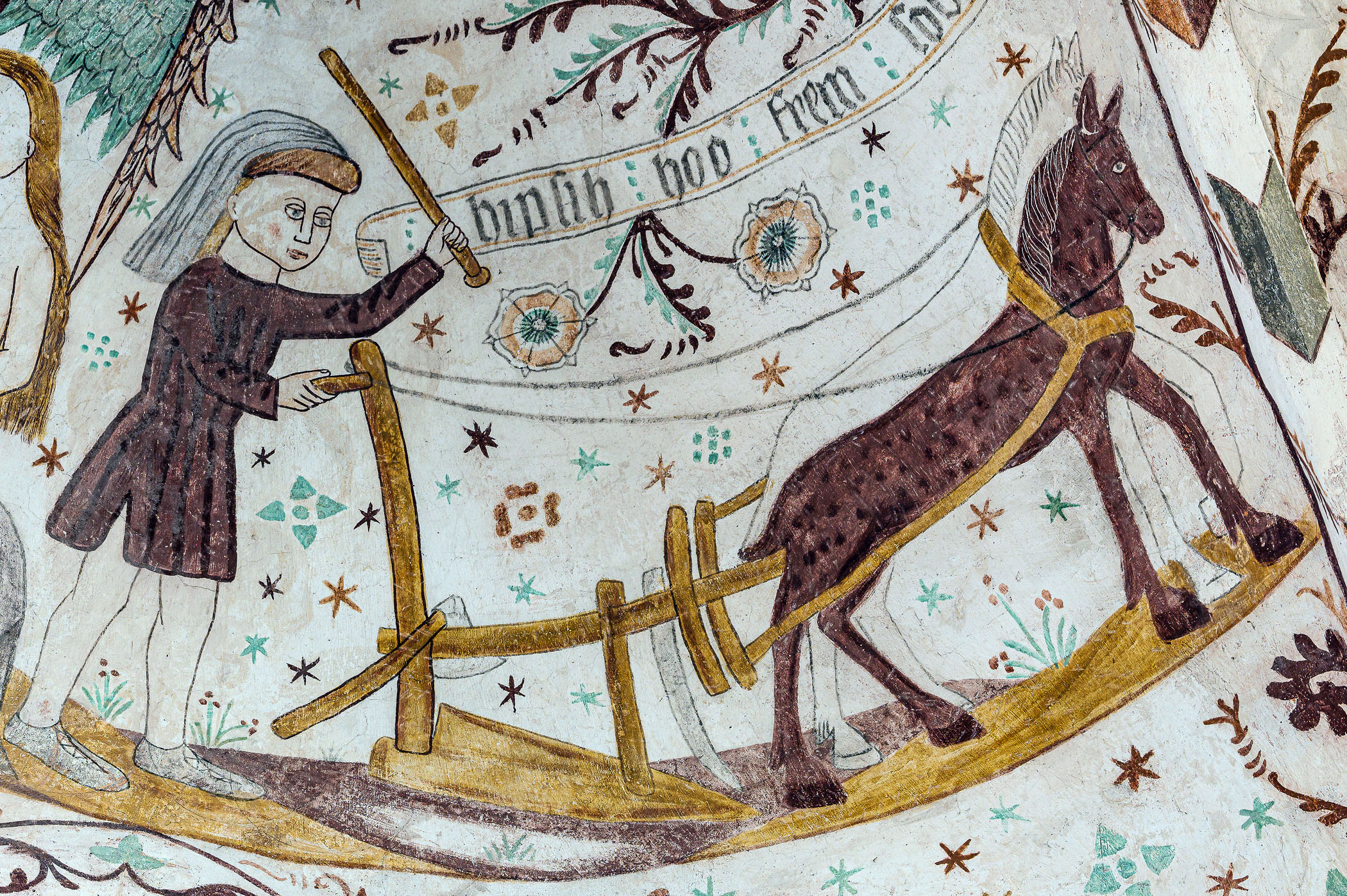
His book, An Unnatural Order: The Roots of Our Destruction of Nature (Lantern Books, 2005), looks at the historical and cultural roots of the Western belief in God-given dominion over the living world. In enslaving animals for war and farming, he says, agrarian society broke the ancient bonds and sense of kinship with them. This makes for an alienated, nature-hating culture, Mason argues. It fouls our relations with nature—especially animals, whom we need, he says, “as companions, as exercisers of human empathy and nurturing, as feeders and informers of the psyche, and as kin and continuum with the rest of the living world.”
Mason is best known for his 1980 book, Animal Factories, written with philosopher, Peter Singer. The book examined America’s brave new world of factory farming in which crowded, drugged animals mass-produce cheap meat, milk, and eggs. In the process, Mason and Singer say, animal factories also mass-produce environmental pollution and threats to human health while they destroy independent, diversified farming.

Jim Mason’s writings have appeared in a wide variety of publications. He is a contributor to In Defence of Animals (Blackwell’s, 2005), edited by Peter Singer. His articles have appeared in The New York Times, New Scientist, Newsday, Country Journal, Orion Nature Quarterly, and other publications.
His 1993 story in Audubon about the growing trade in exotic pets was nominated for the National Magazine Award for excellence in reporting. The article sparked national interest and was chosen for the anthology, Preserving Wildlife: An International Perspective (Prometheus Books, 2000). Mason contributed the lead essay, “Animals: From Souls and the Sacred in Prehistoric Times to Symbols and Slaves in Antiquity,” in A Cultural History of Animals, Vol. 1, In Antiquity, edited by Linda Kalof (Oxford: Berg, 2011).
In addition to writing, Jim Mason speaks about animals, nature, and the environment at conferences, churches, and universities. He has appeared on NBC’s Today, CBS This Morning, NPR’s All Things Considered, CNN, Midday Live, and other radio and television programs in major cities. His books have been reviewed in The New York Times, The Washington Post, The Christian Science Monitor, In These Times, The Chicago Sun Times, and The Atlanta Constitution.
ABOUT MASON’S CO-WRITER, PETER SINGER

Peter Singer was born in Melbourne, Australia, on July 6, 1946, and educated at the University of Melbourne and the University of Oxford. He has taught at the University of Oxford, La Trobe University, and Monash University. Since 1999, he has been Ira W. DeCamp Professor of Bioethics in the University Center for Human Values at Princeton University. From 2005, he has also held the part-time position of Laureate Professor at the University of Melbourne, in the Centre for Applied Philosophy and Public Ethics.
Peter Singer first became well-known internationally after the publication of Animal Liberation in 1975. Since then, he has written, co-authored, edited, or co-edited more than 40 other books, including Practical Ethics; The Expanding Circle; How Are We to Live?, Rethinking Life and Death, The Ethics of What We Eat (with Jim Mason) and, most recently, The Life You Can Save. His works have appeared in more than 20 languages. He is the author of the major article on Ethics in the current edition of the Encylopedia Britannica.
Two collections of Singer’s writings have been published: Writings on an Ethical Life, which he edited, and Unsanctifying Human Life, edited by Helga Kuhse, and also two collections of critical essays, with responses: ‘Singer and Critics,’ edited by Dale Jamieson, and ‘Peter Singer Under Fire,’ edited by Jeffrey Schaler.
In 2005, TIME magazine named Peter Singer one of the 100 most influential people in the world and, in 2011, TIME included Animal Liberation on its “All-Time” list of the 100 best nonfiction books published in English since the magazine began in 1923. In 2012, Singer was made a ‘Companion of the Order of Australia,’ the nation’s highest civic honor.
Peter Singer is married, with three daughters and three grandchildren.




ABOUT JIM MASON
Jim Mason is an author and attorney who focuses on human/animal concerns. His last book, Madness: The Deep Driver of Our Climate Crisis Lessons From My Family Farm, Mason blends personal stories of heartbreak and awakening with a deep ecological perspective, tracing how the domestication of animals and the rise of agrarian culture reshaped human empathy, ethics, and our relationship with the planet.
His previous book, co-authored with ethicist Peter Singer, is The Ethics of What We Eat: Why Our Food Choices Matter (Rodale Press, 2006). The authors trace the foods eaten by three American families back to their sources and explore the ethical questions that arise along the way. The book discusses factory farming and alternatives, fair trade, buying local, organic farming, commercial fishing, and other food matters of concern to consumers today.
His book, An Unnatural Order: The Roots of Our Destruction of Nature (Lantern Books, 2005), looks at the historical and cultural roots of the Western belief in God-given dominion over the living world. In enslaving animals for war and farming, he says, agrarian society broke the ancient bonds and sense of kinship with them. This makes for an alienated, nature-hating culture, Mason argues. It fouls our relations with nature—especially animals, whom we need, he says, “as companions, as exercisers of human empathy and nurturing, as feeders and informers of the psyche, and as kin and continuum with the rest of the living world.”
Mason is best known for his 1980 book, Animal Factories, written with philosopher, Peter Singer. The book examined America’s brave new world of factory farming in which crowded, drugged animals mass-produce cheap meat, milk, and eggs. In the process, Mason and Singer say, animal factories also mass-produce environmental pollution and threats to human health while they destroy independent, diversified farming.
Jim Mason’s writings have appeared in a wide variety of publications. He is a contributor to In Defence of Animals (Blackwell’s, 2005), edited by Peter Singer. His articles have appeared in The New York Times, New Scientist, Newsday, Country Journal, Orion Nature Quarterly, and other publications.
His 1993 story in Audubon about the growing trade in exotic pets was nominated for the National Magazine Award for excellence in reporting. The article sparked national interest and was chosen for the anthology, Preserving Wildlife: An International Perspective (Prometheus Books, 2000). Mason contributed the lead essay, “Animals: From Souls and the Sacred in Prehistoric Times to Symbols and Slaves in Antiquity,” in A Cultural History of Animals, Vol. 1, In Antiquity, edited by Linda Kalof (Oxford: Berg, 2011).
In addition to writing, Jim Mason speaks about animals, nature, and the environment at conferences, churches, and universities. He has appeared on NBC’s Today, CBS This Morning, NPR’s All Things Considered, CNN, Midday Live, and other radio and television programs in major cities. His books have been reviewed in The New York Times, The Washington Post, The Christian Science Monitor, In These Times, The Chicago Sun Times, and The Atlanta Constitution.
MASON’S EARLY LIFE IN PICTURES:
ABOUT MASON’S CO-WRITER, PETER SINGER
Peter Singer was born in Melbourne, Australia, on July 6, 1946, and educated at the University of Melbourne and the University of Oxford. He has taught at the University of Oxford, La Trobe University, and Monash University. Since 1999, he has been Ira W. DeCamp Professor of Bioethics in the University Center for Human Values at Princeton University. From 2005, he has also held the part-time position of Laureate Professor at the University of Melbourne, in the Centre for Applied Philosophy and Public Ethics.
Peter Singer first became well-known internationally after the publication of Animal Liberation in 1975. Since then, he has written, co-authored, edited, or co-edited more than 40 other books, including Practical Ethics; The Expanding Circle; How Are We to Live?, Rethinking Life and Death, The Ethics of What We Eat (with Jim Mason) and, most recently, The Life You Can Save. His works have appeared in more than 20 languages. He is the author of the major article on Ethics in the current edition of the Encylopedia Britannica.
Two collections of Singer’s writings have been published: Writings on an Ethical Life, which he edited, and Unsanctifying Human Life, edited by Helga Kuhse, and also two collections of critical essays, with responses: ‘Singer and Critics,’ edited by Dale Jamieson, and ‘Peter Singer Under Fire,’ edited by Jeffrey Schaler.
In 2005, TIME magazine named Peter Singer one of the 100 most influential people in the world and, in 2011, TIME included Animal Liberation on its “All-Time” list of the 100 best nonfiction books published in English since the magazine began in 1923. In 2012, Singer was made a ‘Companion of the Order of Australia,’ the nation’s highest civic honor.
Peter Singer is married, with three daughters and three grandchildren.


